Statement: Animal, Vegetable, Mineral
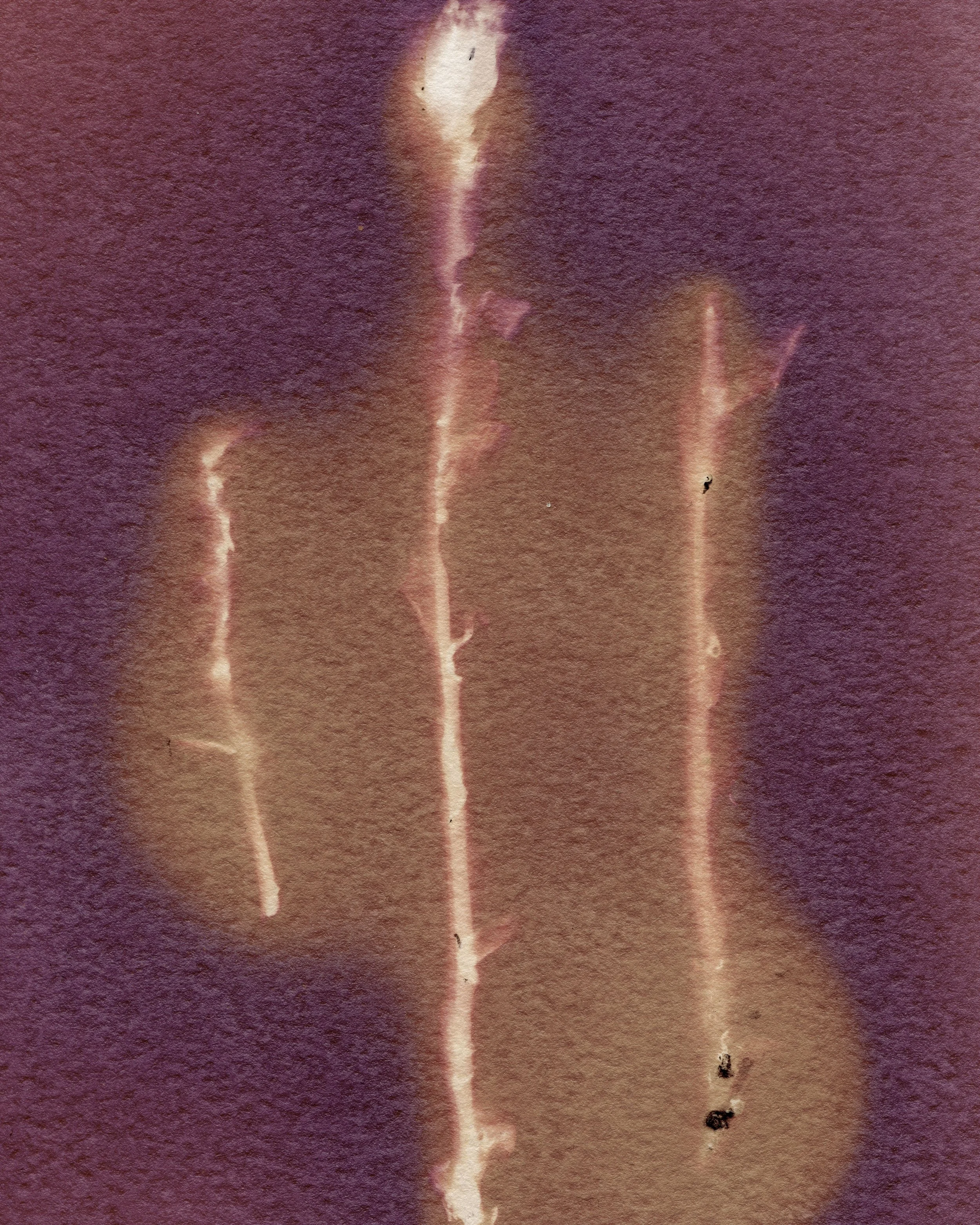
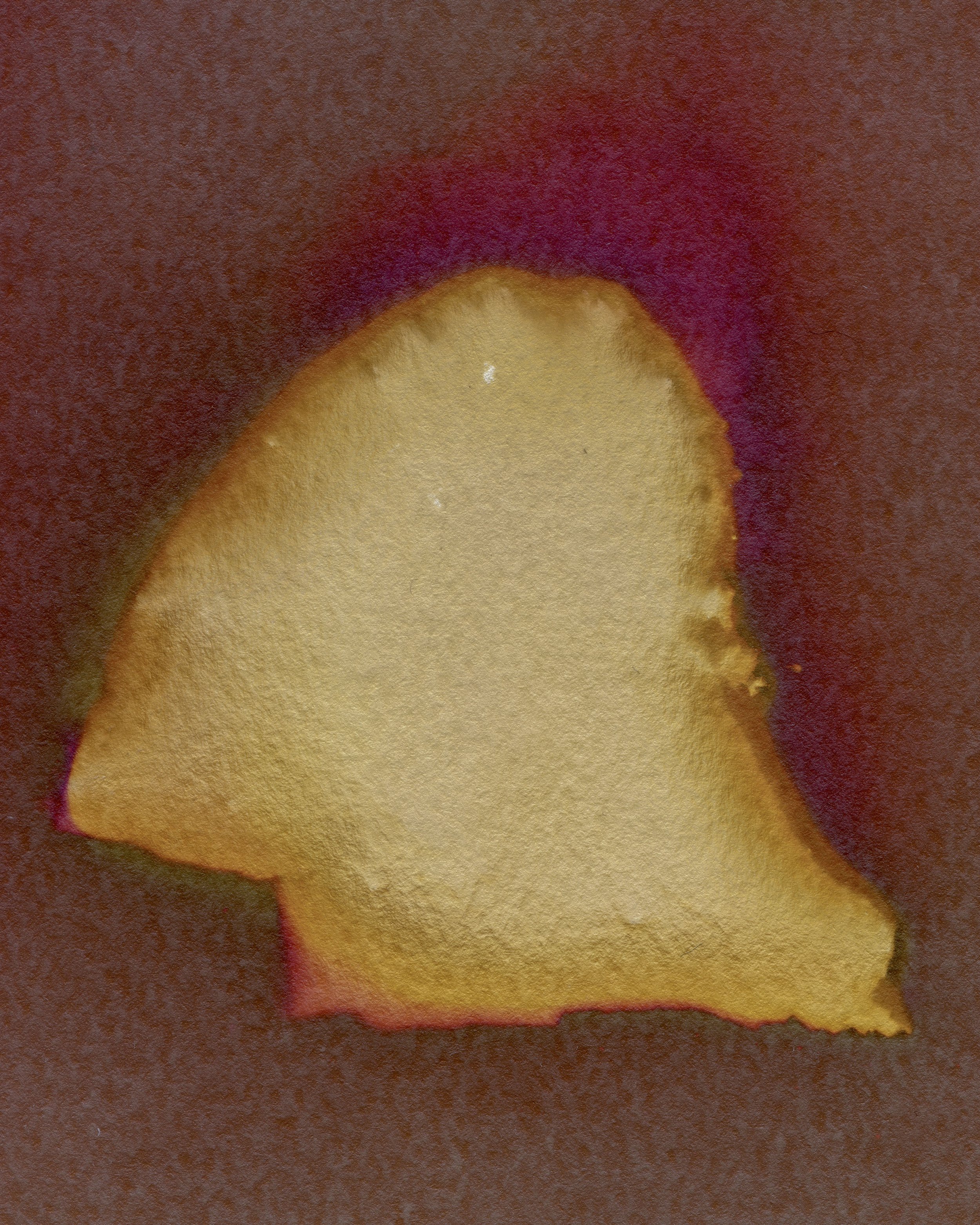
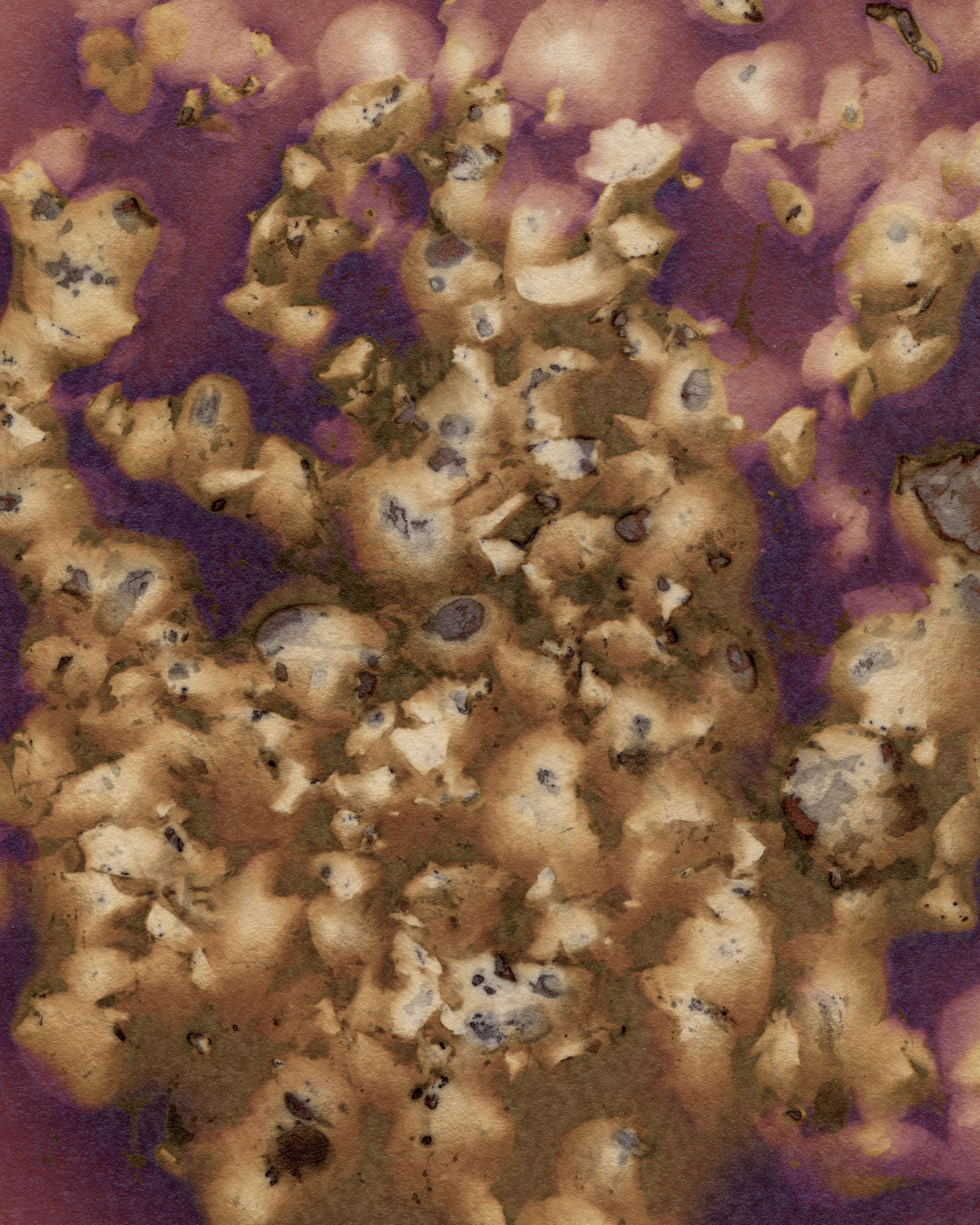
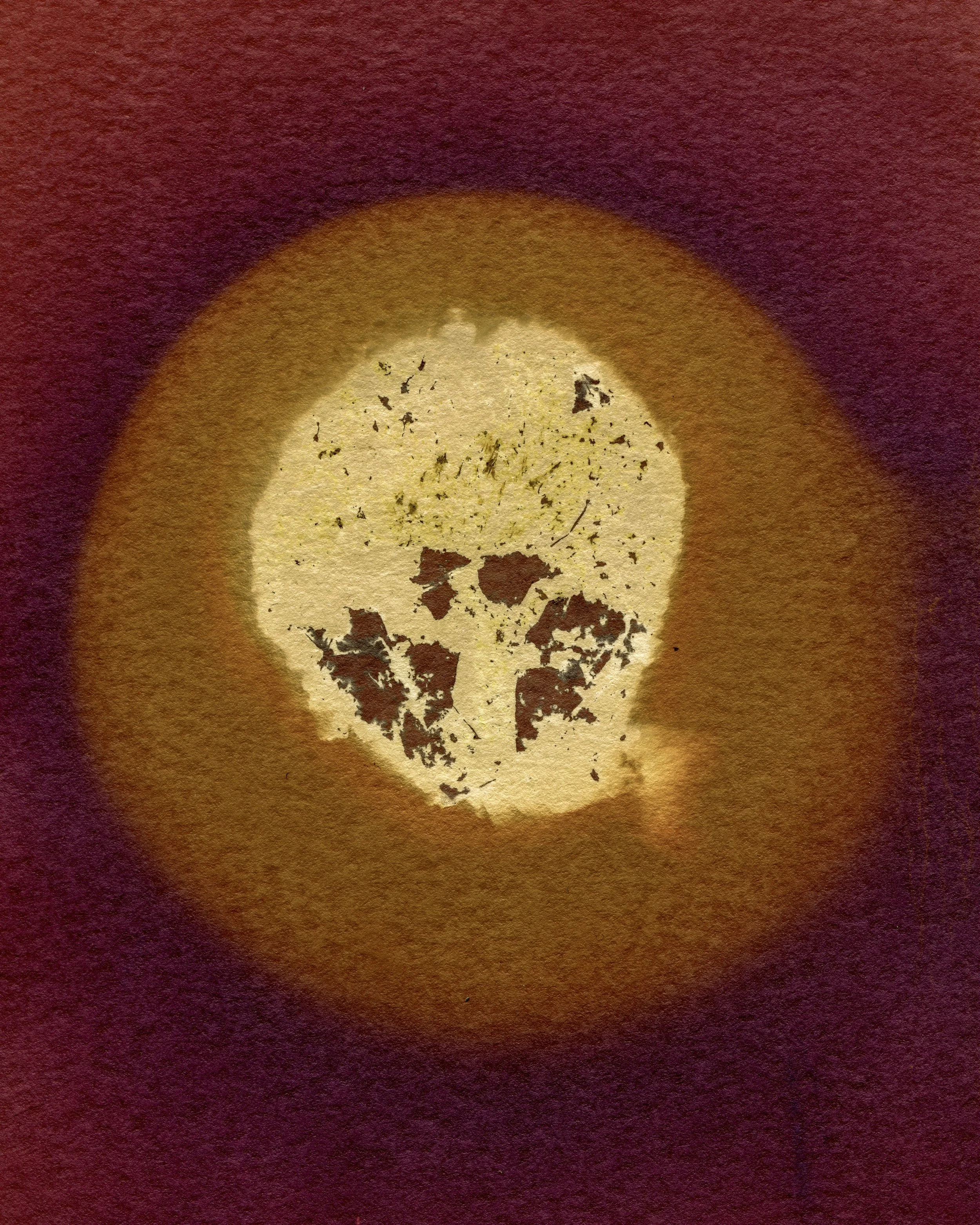
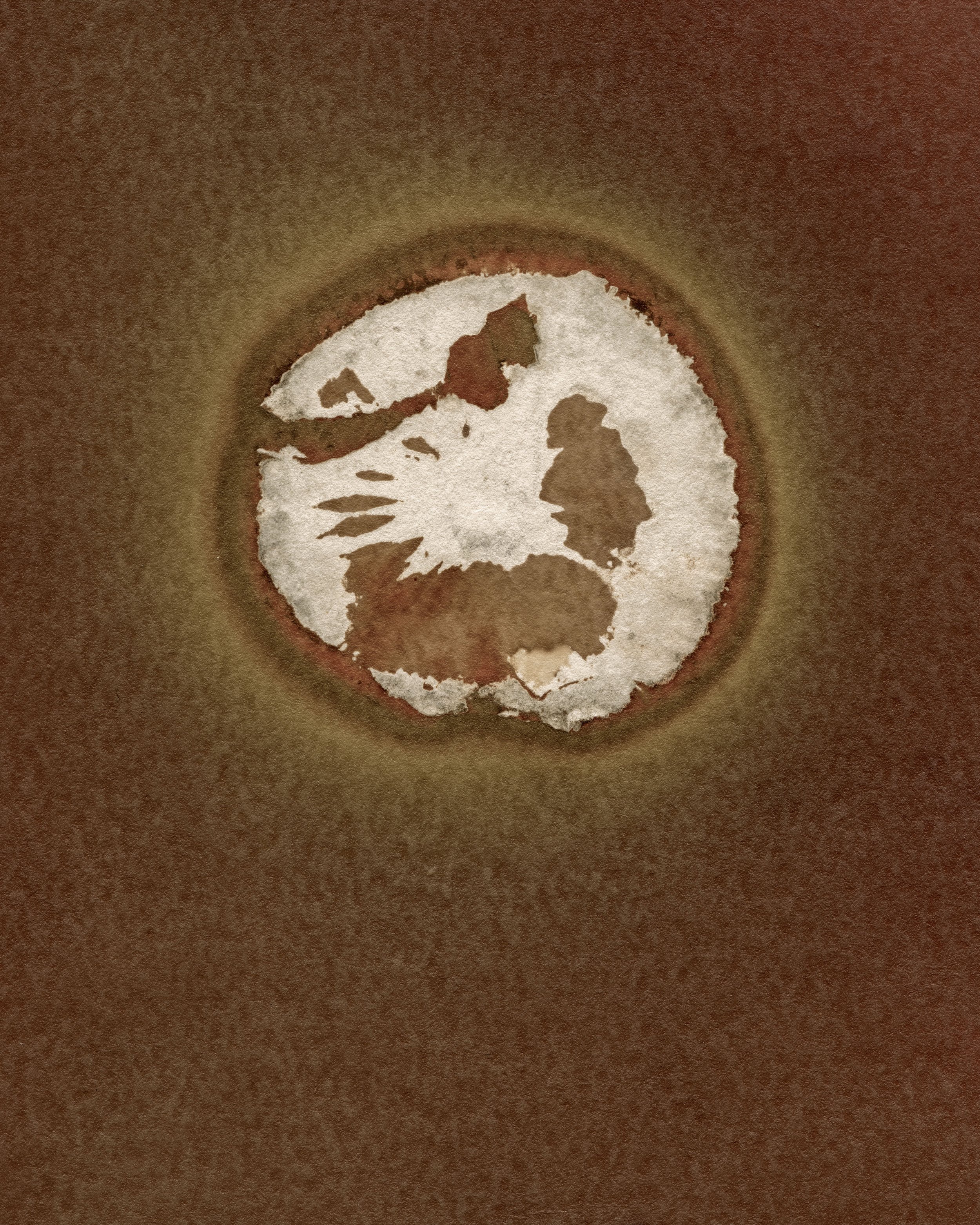
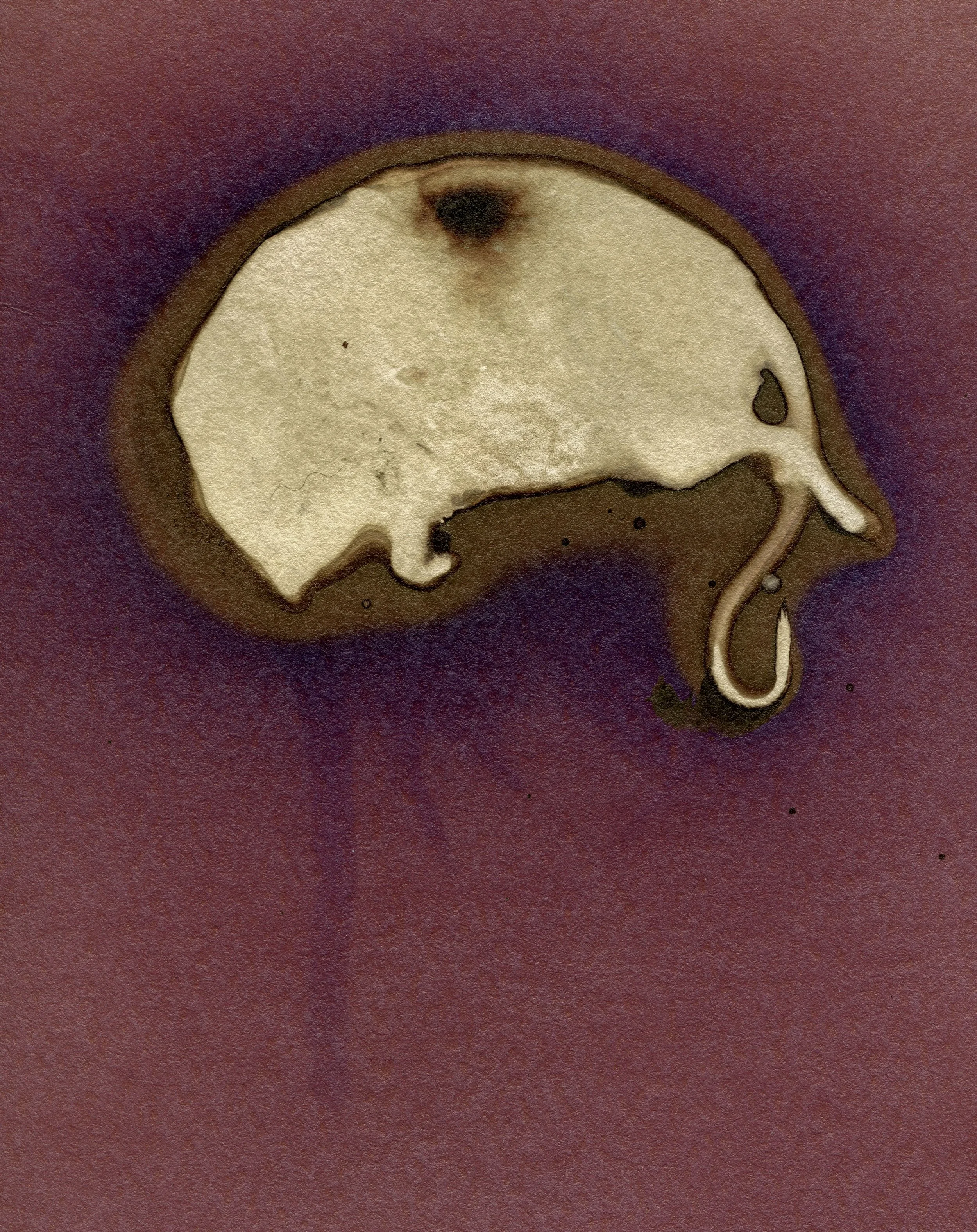
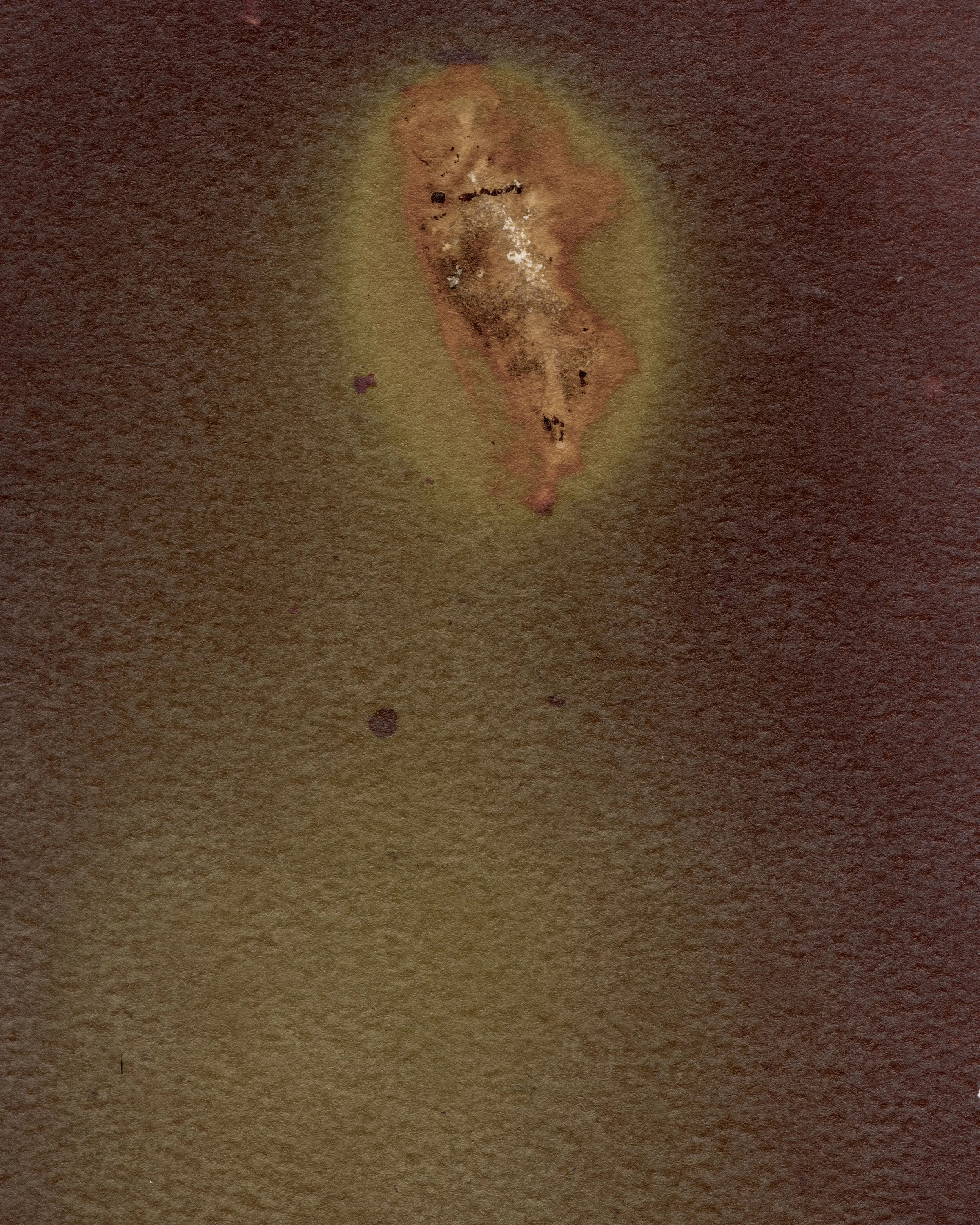
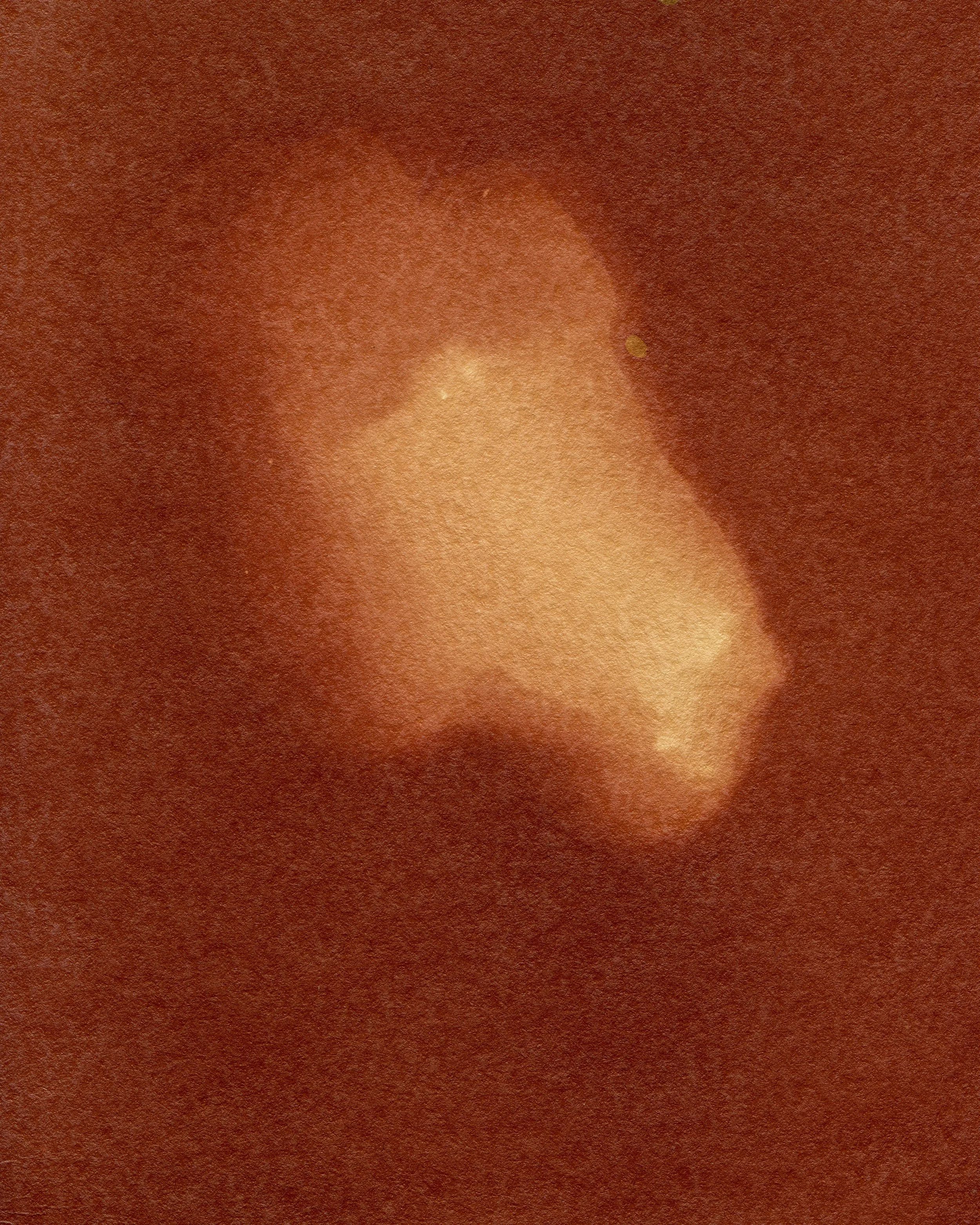
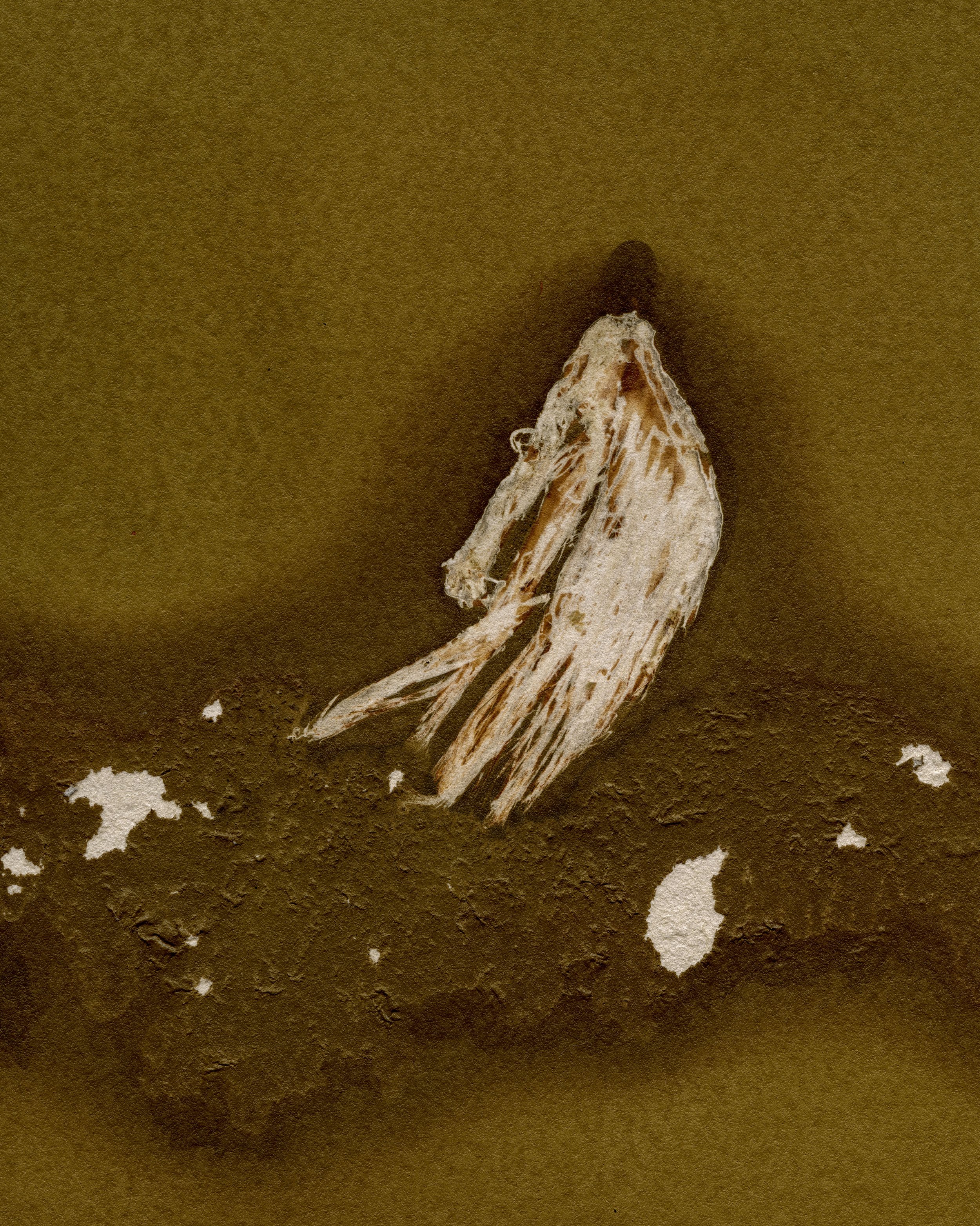
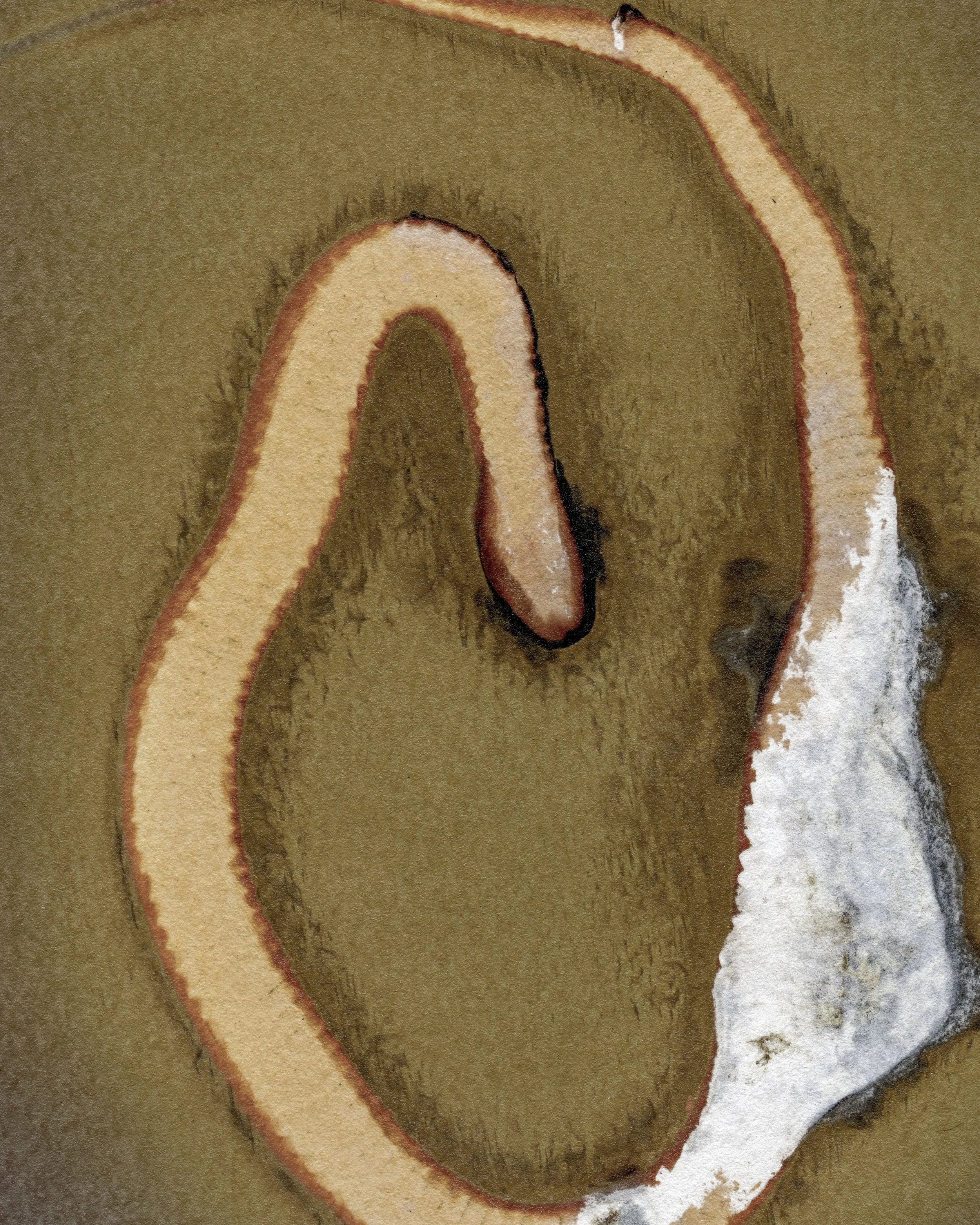
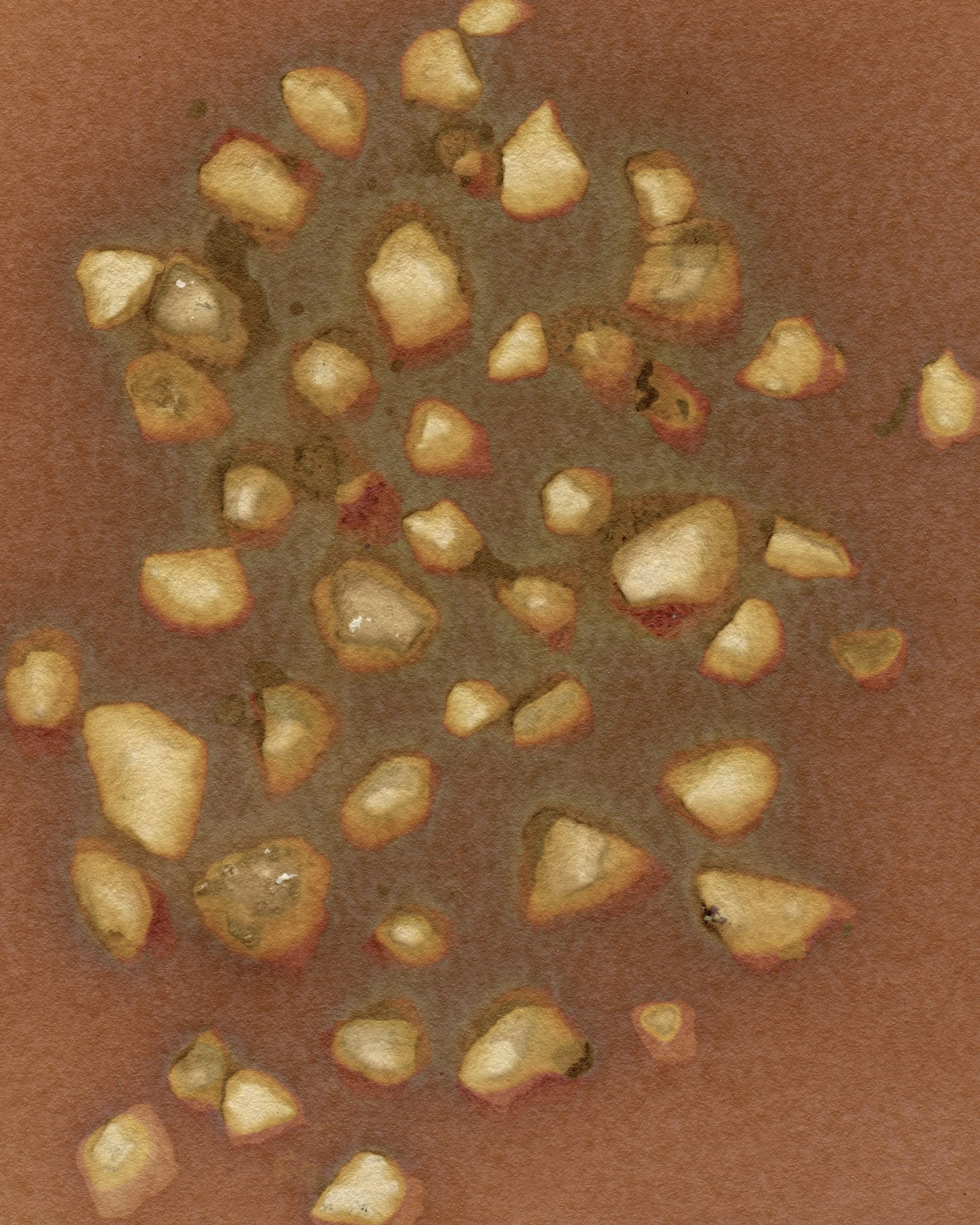
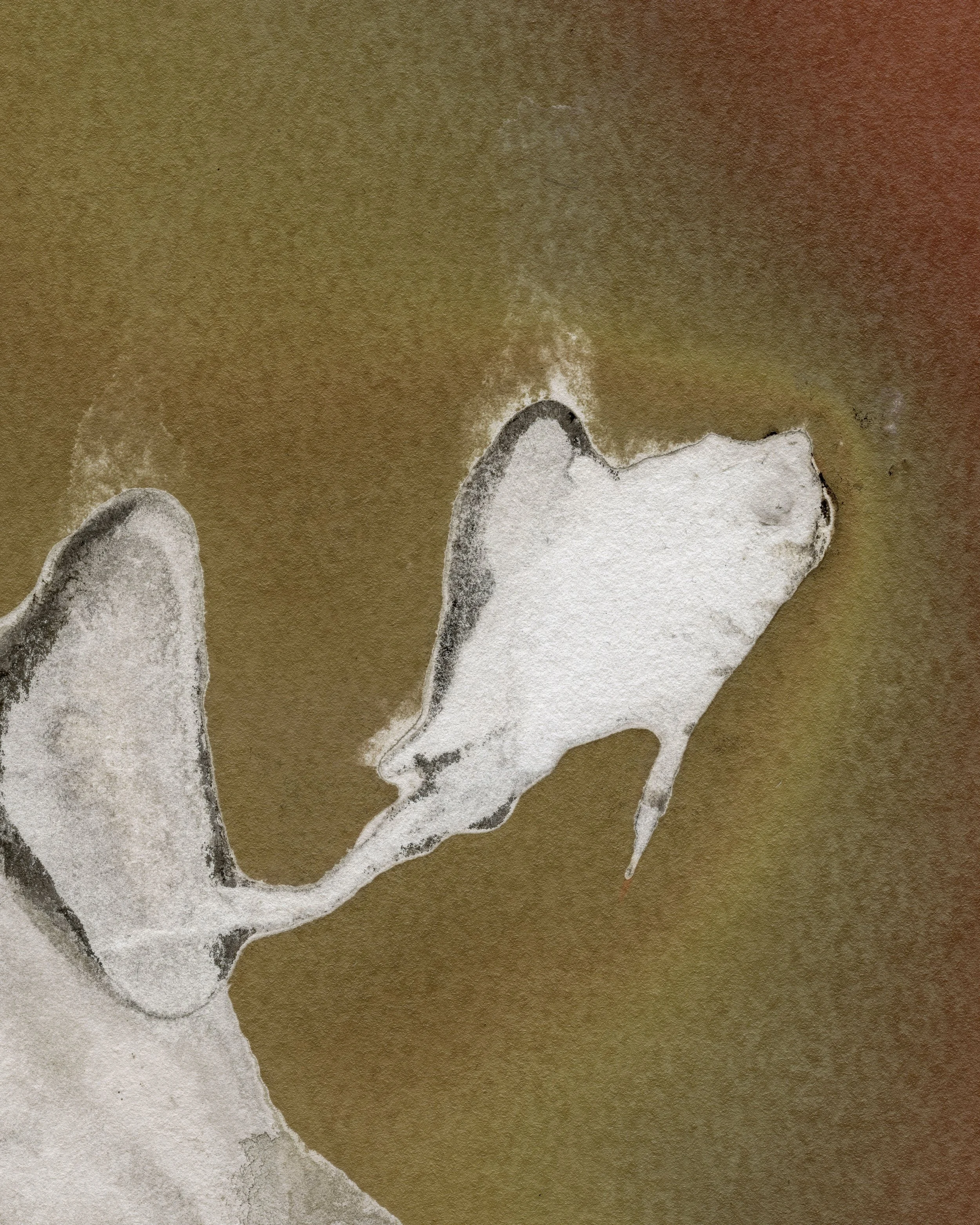
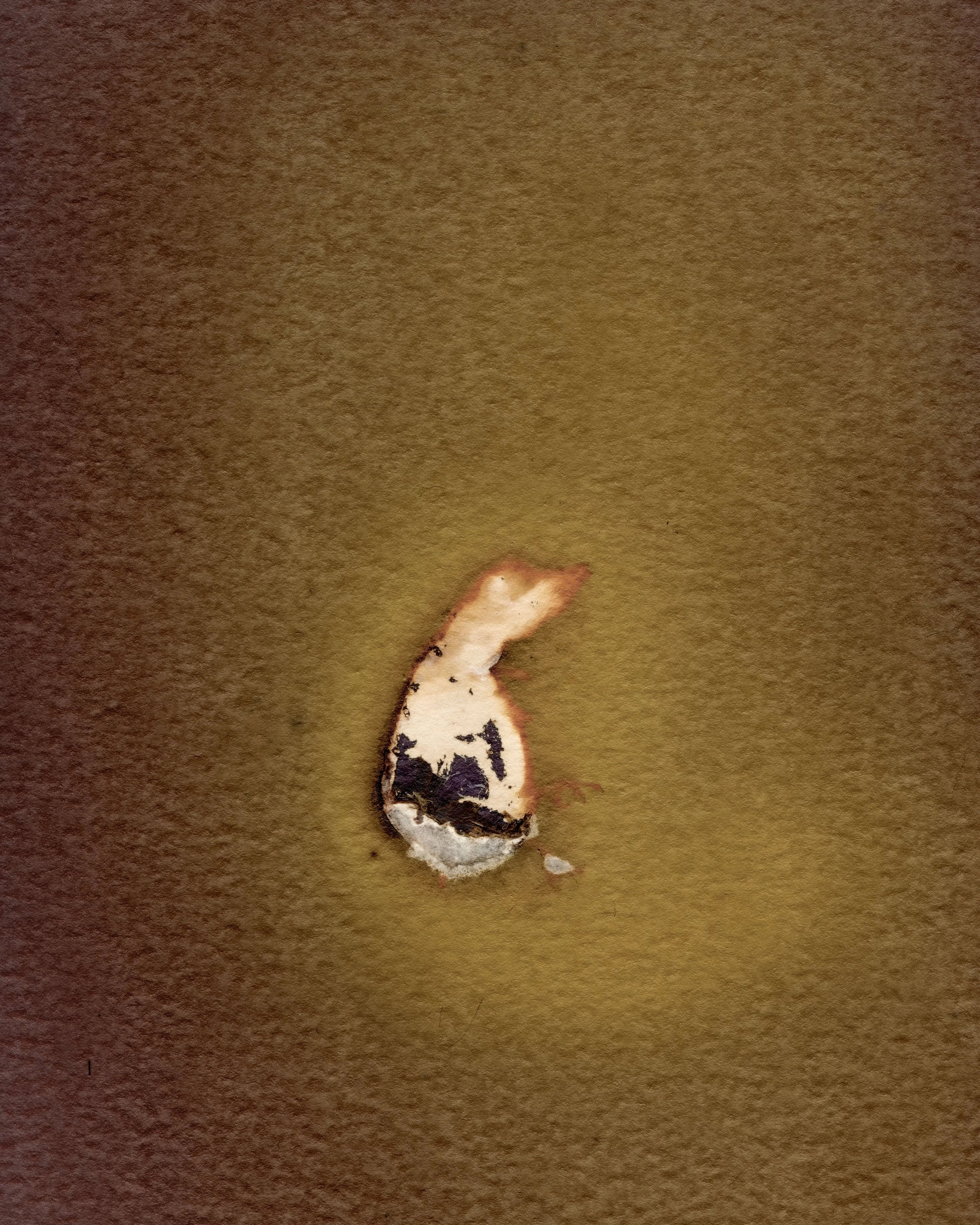
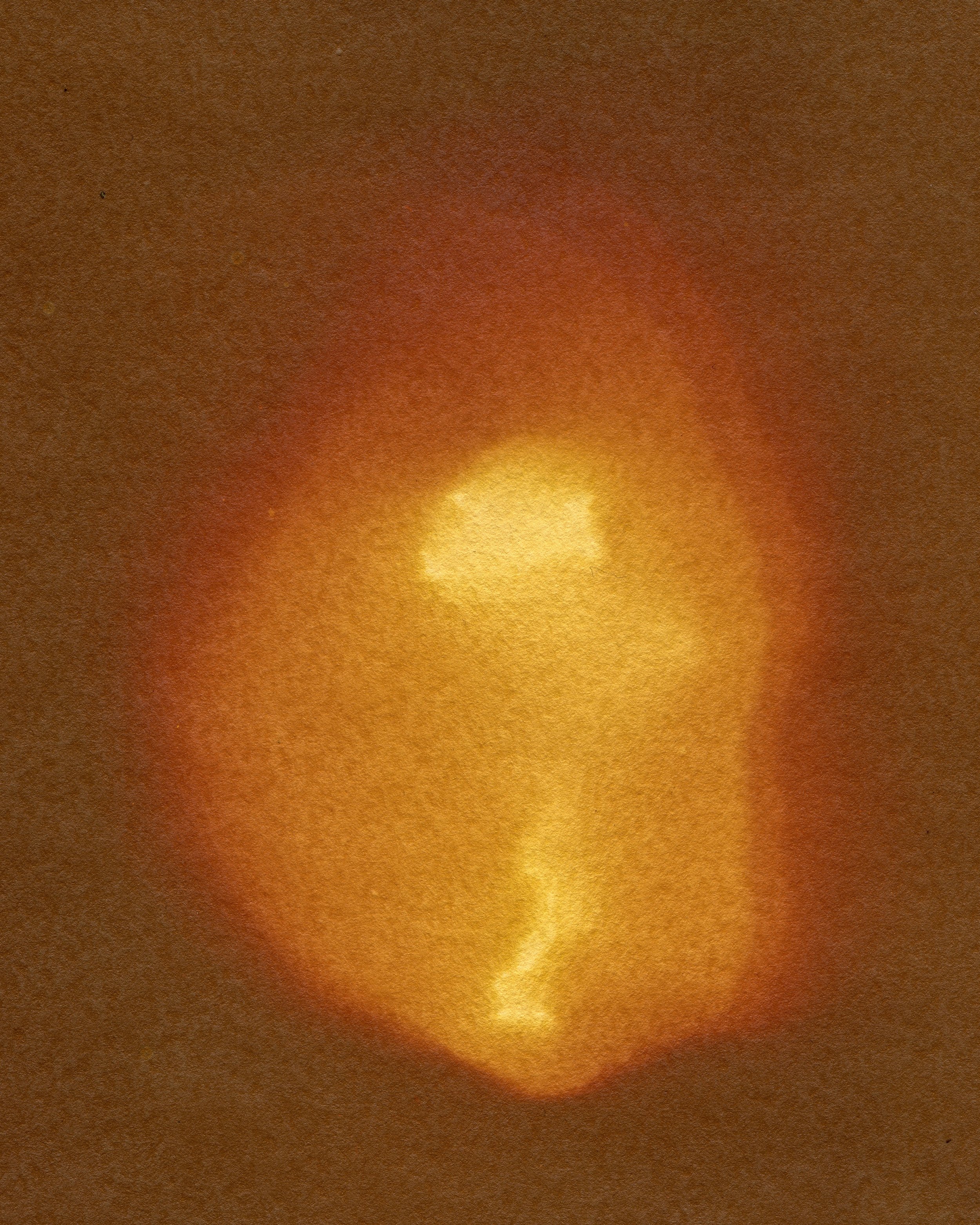
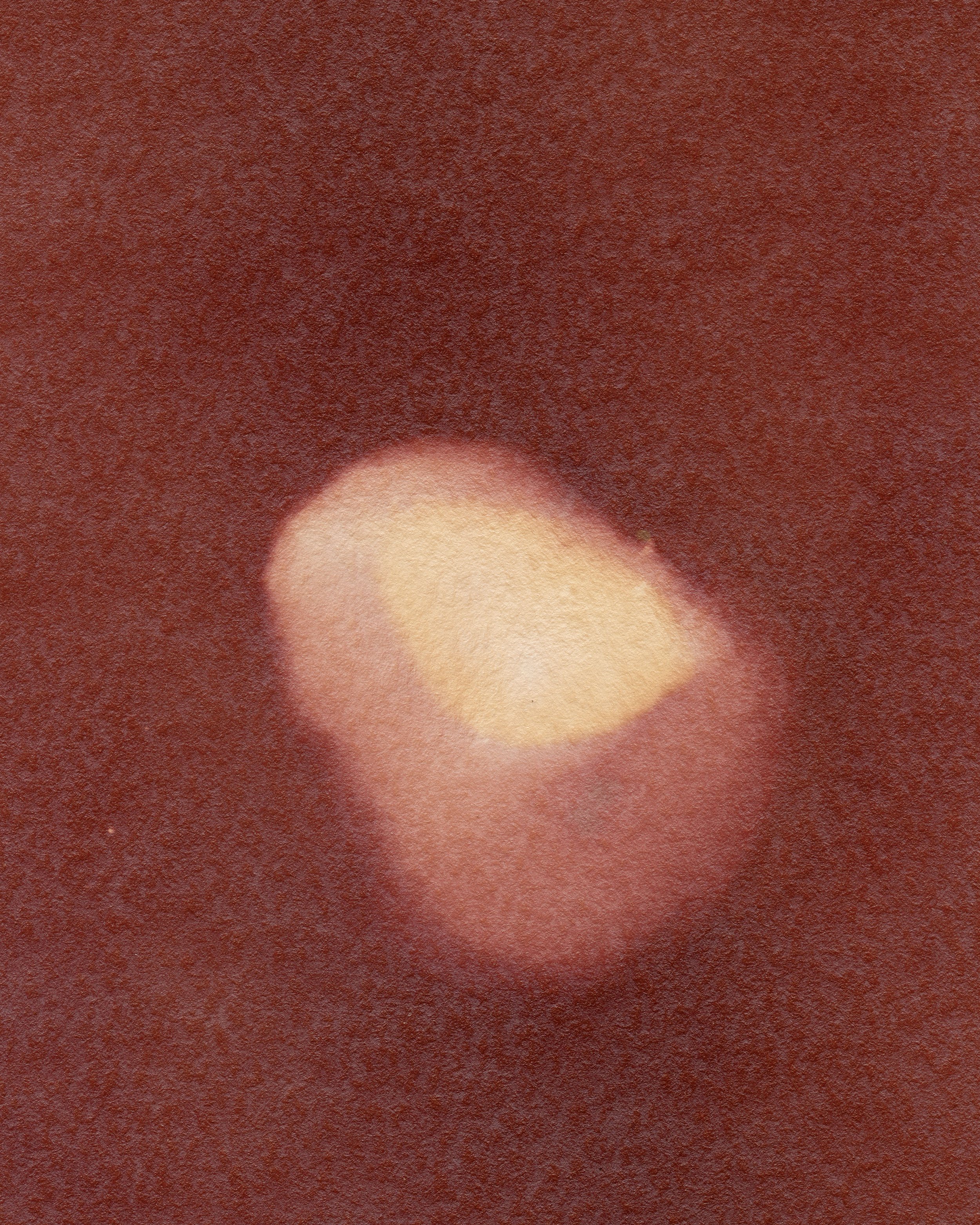
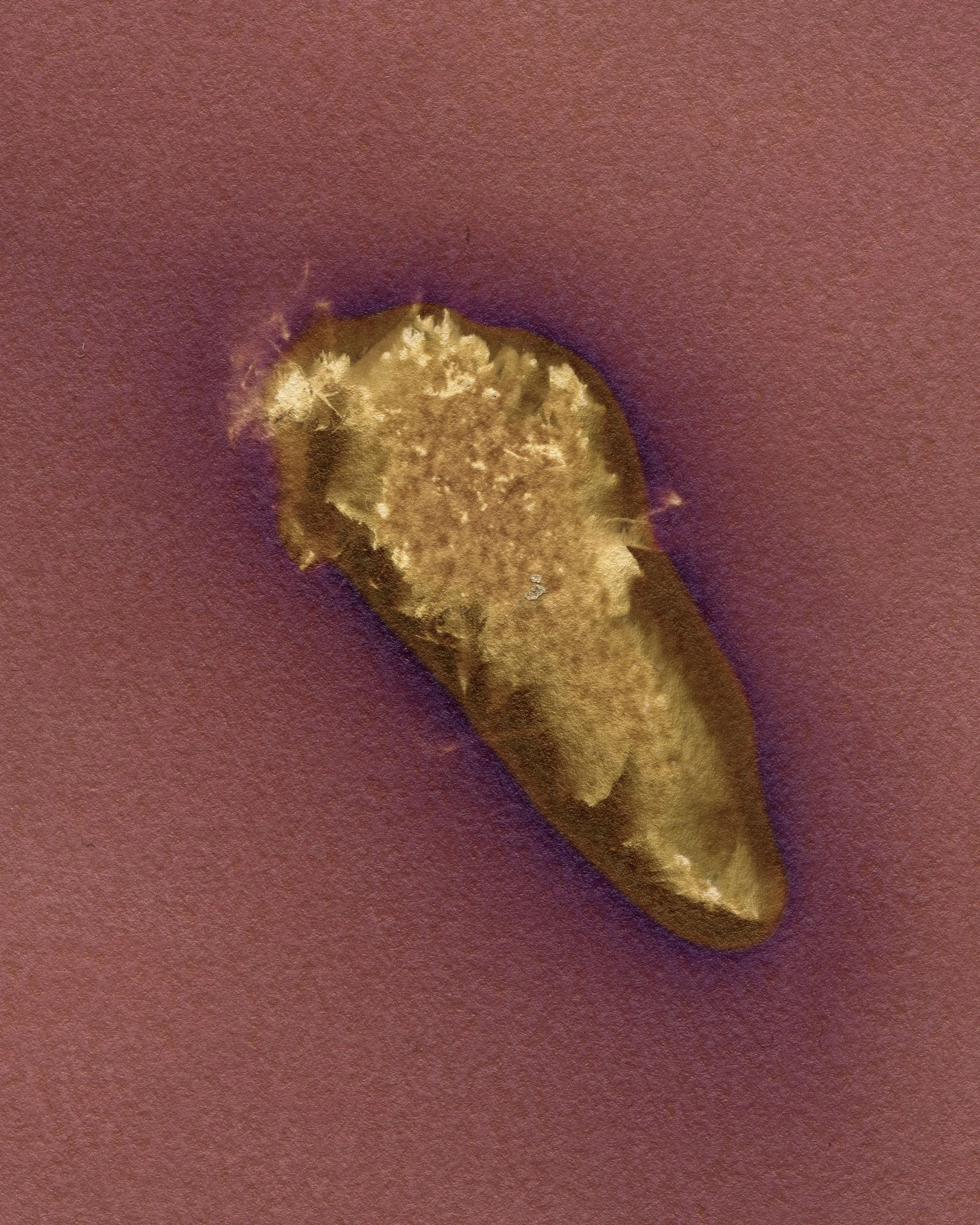
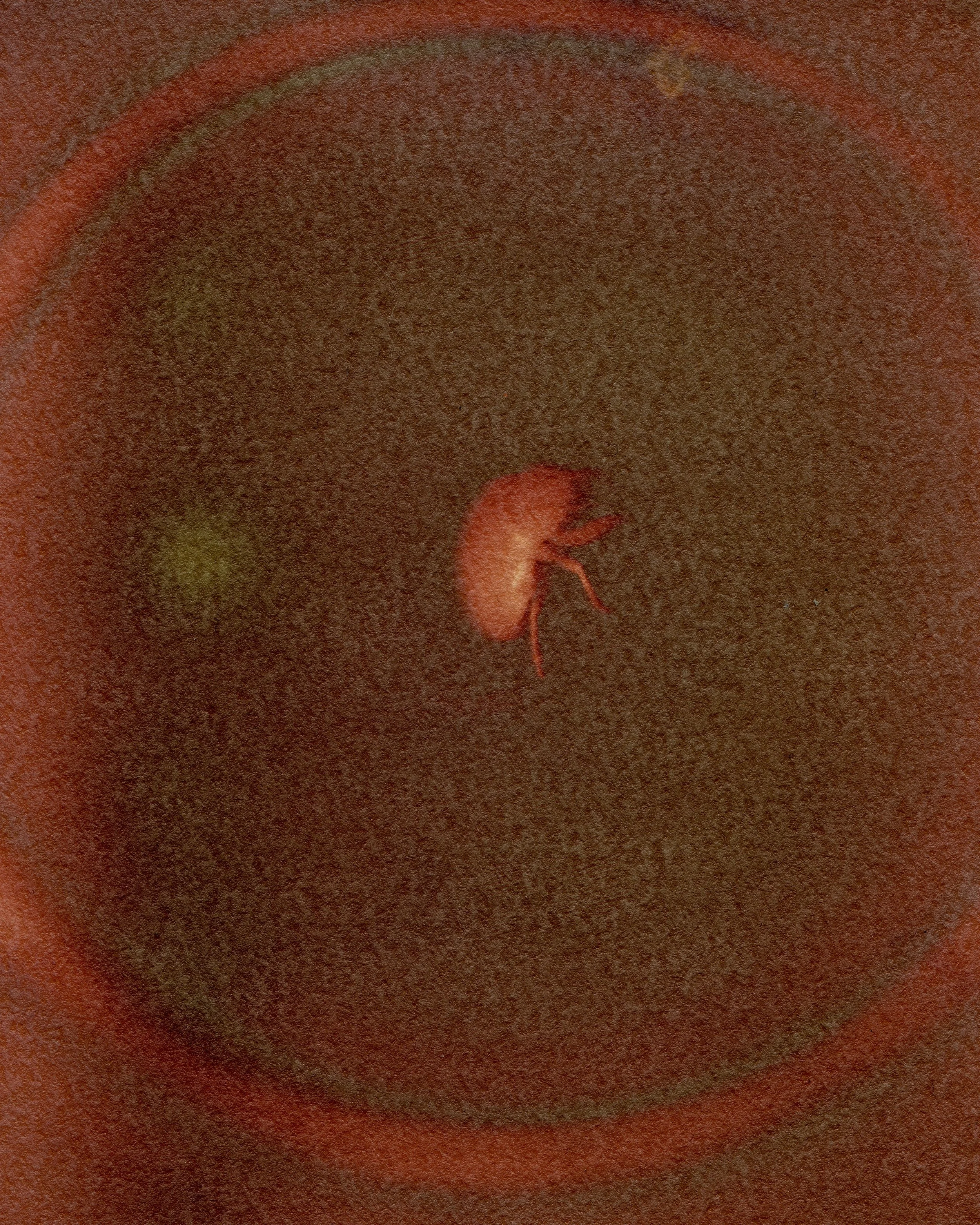
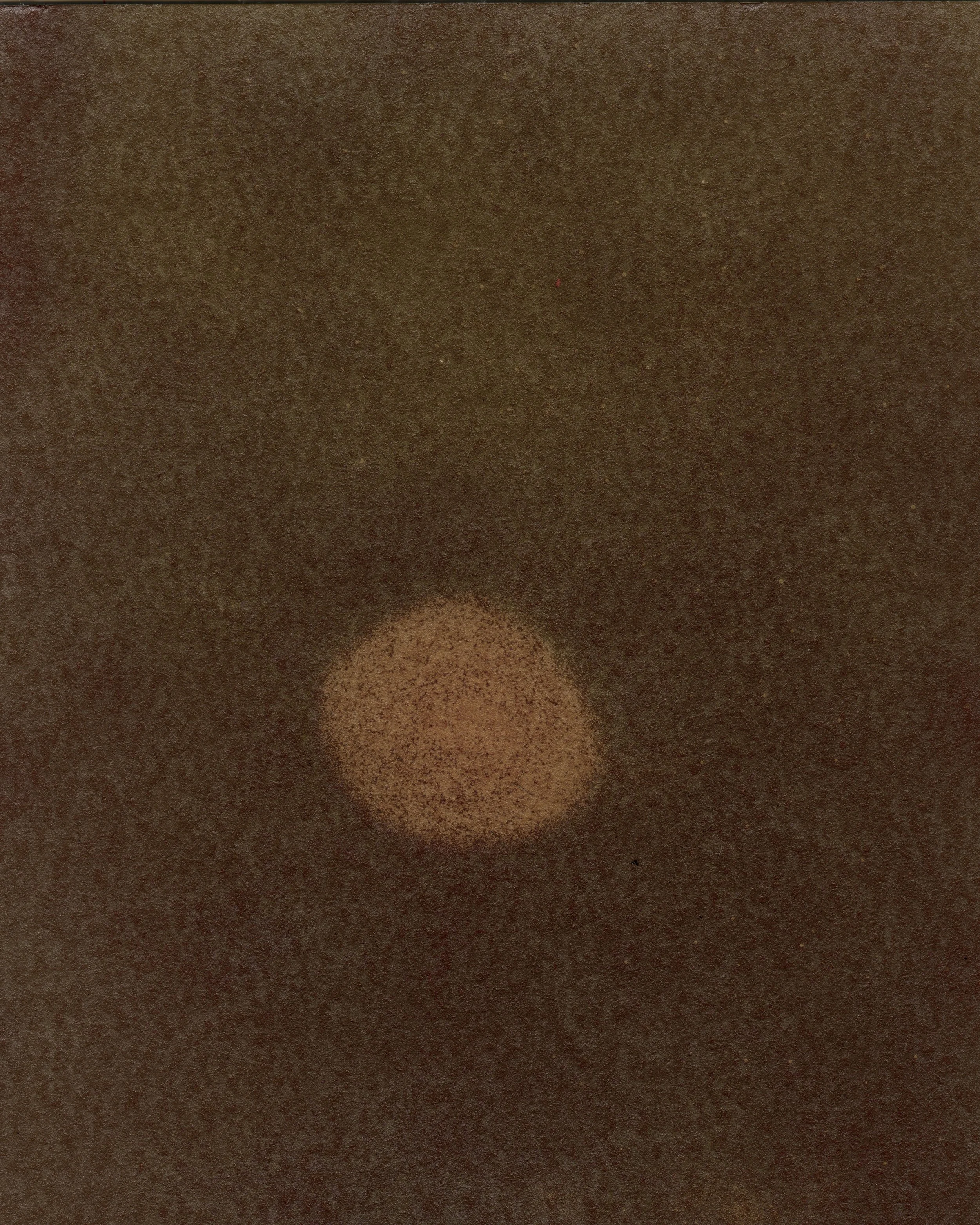
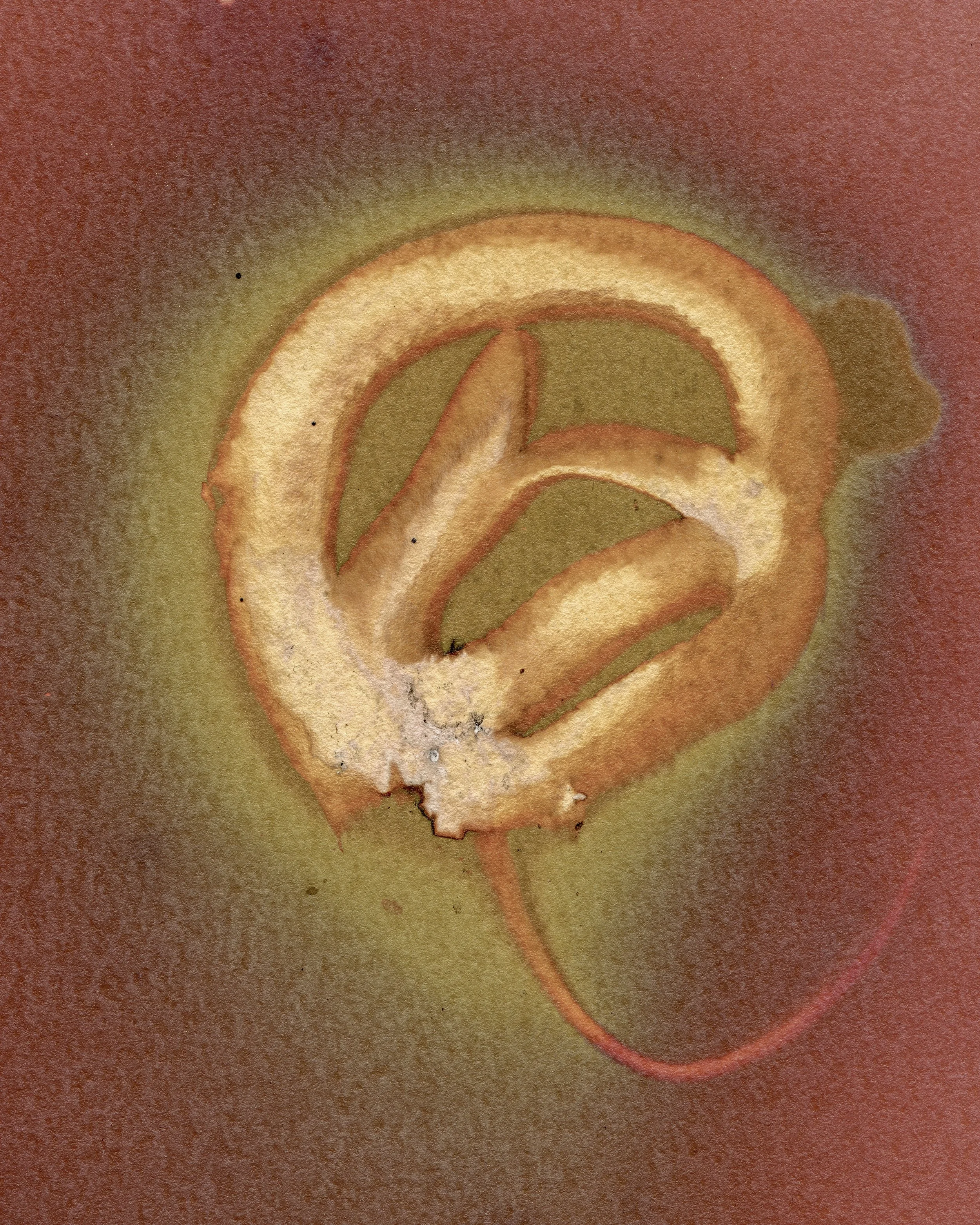
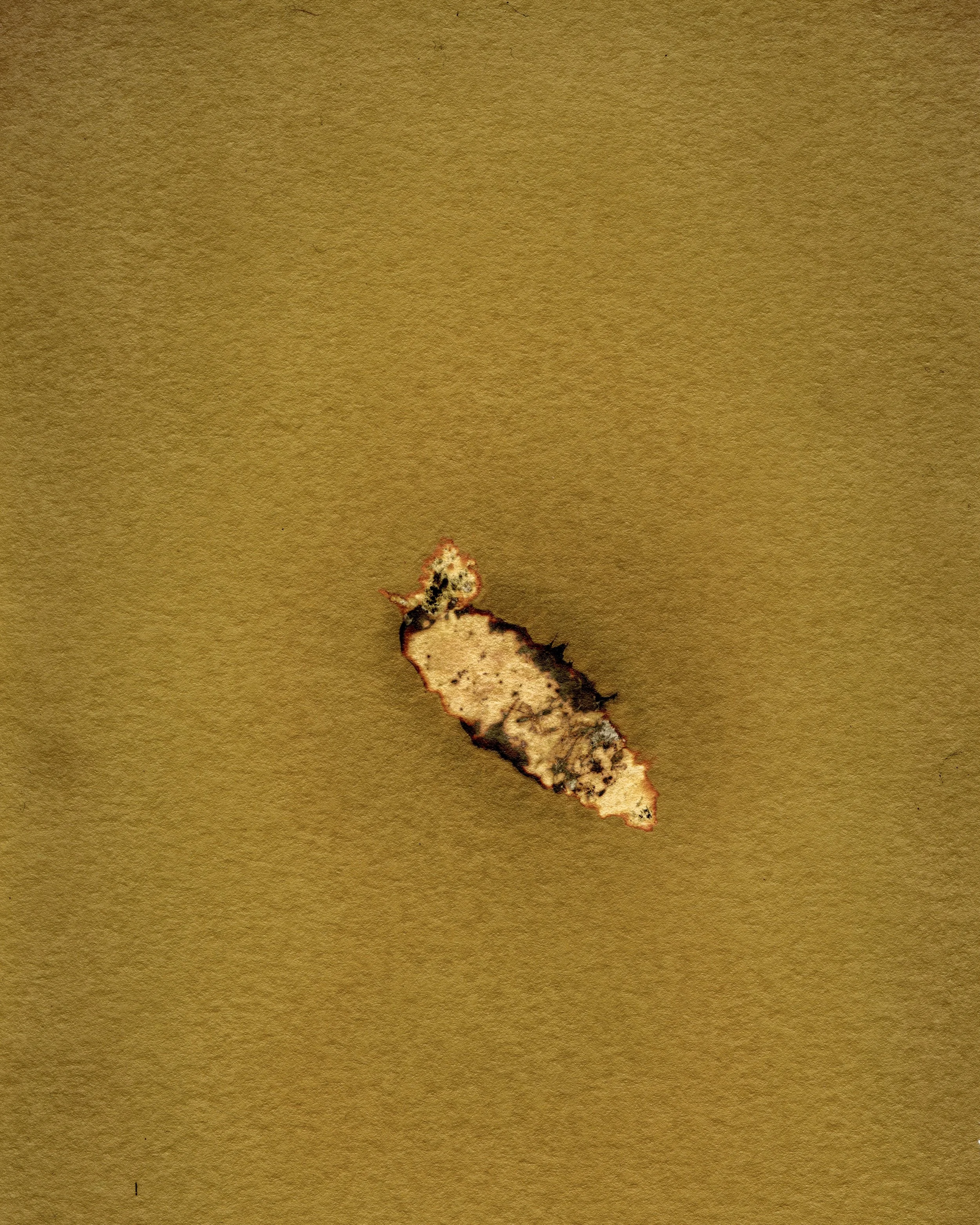
Animal, Vegetable, Mineral consists of thirty cameraless photographic prints that question how we classify the world around us. The title references the initial query of the guessing game, Twenty Questions, a game premised on the eighteenth-century taxonomist Linnaeus's division of nature into three kingdoms: Animal, Vegetable, or Mineral. This system promised clear categories, living versus non-living, plant versus animal. Yet Linnaeus's framework proved be too basic; eventually it expanded to five kingdoms as exceptions emerged that refused neat classification.
The gelatin silver prints which are made on black and white paper embody similar ambiguities. Created directly from animals, vegetables, minerals, and materials that exceed these categories entirely, the prints yield unexpected colors rather than typical grayscale. What appears colorful on black and white paper already defies expectations about what these photographic objects should be.
The work asks: How do we know something is alive? How do we define a plant, an animal, or even a photograph? Photography has historically functioned as a tool for indexing and organizing the world within a frame, imposing visual order on what we see. But when the photographic process itself produces results that contradict what we understand of their material basis, classification becomes uncertain. Can looking at these images tell us what created them or which category they belong to?
Animal, Vegetable, Mineral acknowledges non-human lives while examining the human impulse to catalog and contain nature. By making photographs that resist categorization both in their making and their appearance the work reveals the limitations of systems we use to understand the world, suggesting that uncertainty might be more truthful than the certainty classification promises.